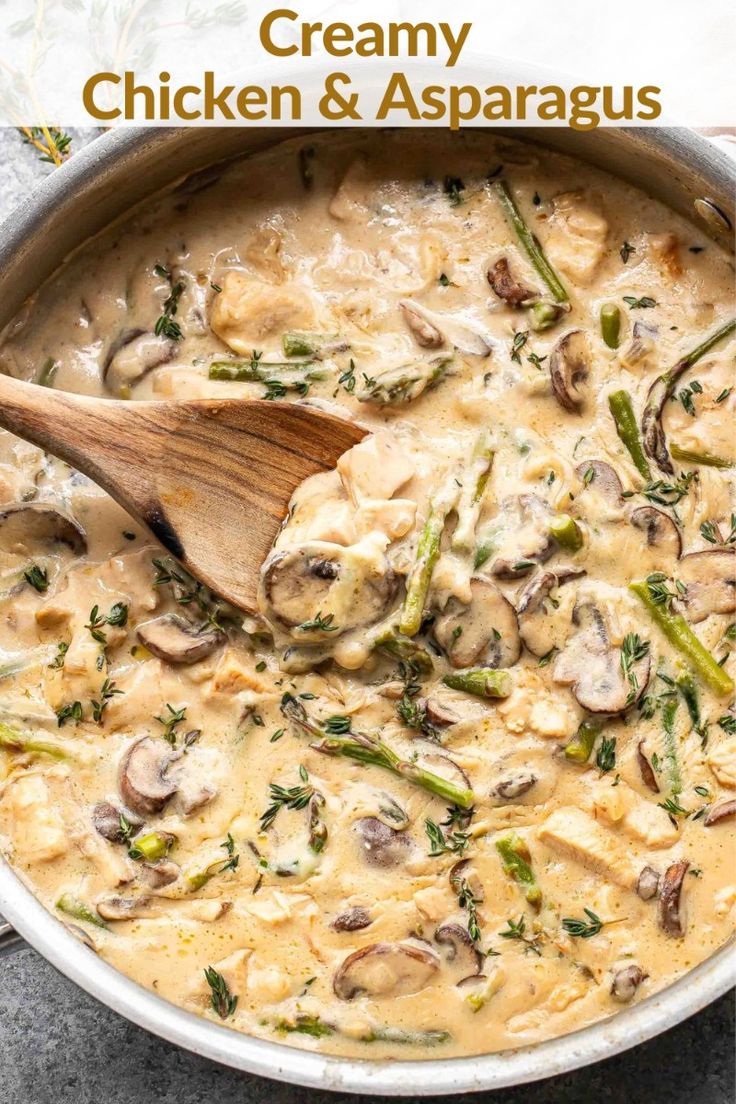
Unlock the Secret to the Perfect Creamy Chicken & Asparagus Skillet
Imagine a dinner that comes together in under 30 minutes, uses just one pan for minimal cleanup, and tastes like it’s straight out of a gourmet kitchen. Sound like a dream? Not with the One-Pan Chicken & Asparagus Skillet: 30-Minute Weeknight Dinner. This isn't just a recipe; it's a culinary revelation, transforming simple ingredients into an extraordinary meal that's perfect for busy weeknights yet impressive enough for company. We’re talking perfectly tender chicken, crisp-tender asparagus, all swimming in a rich, velvety sauce that will have everyone asking for seconds.
My own journey with this dish began years ago, inspired by a cherished friend who spent time immersed in Italian culinary traditions. She shared a method for basic chicken in cream sauce that she learned from a neighbor in Italy, and once I adapted it to include the vibrant goodness of asparagus, it quickly became an all-time favorite. It embodies the essence of Italian cooking: simple ingredients, expertly prepared, yielding incredible flavor.
The beauty of a well-executed chicken and asparagus skillet lies in its deceptive simplicity. You don't need exotic ingredients or complicated techniques. What you need are a few key components, understanding how they interact, and some insider tips to ensure perfection every single time. Let’s dive into what makes this dish a true masterpiece and how you can master it in your own kitchen.
Essential Ingredients for Your Skillet Masterpiece
While the goal is simplicity, selecting the right ingredients is paramount to achieving that restaurant-quality taste. Here’s a closer look at the stars of our creamy chicken and asparagus skillet:
- Chicken Breasts: The leaner, protein-packed core of our dish. The secret to quick, even cooking and supreme tenderness is ensuring your chicken breast is thinly sliced. You can achieve this by butterflying a thicker breast, pounding it lightly between plastic wrap, or opting for pre-cut chicken cutlets from your grocery store. Thin chicken prevents the need for oven transfers and keeps the chicken incredibly tender.
- All-Purpose Flour: A small amount goes a long way. Coating the chicken in flour not only helps create a beautiful golden crust but also acts as the crucial thickening agent for our luscious sauce later on.
- Aromatics & Seasoning: Garlic powder, salt, and freshly cracked black pepper are your foundation. Fresh garlic, minced, adds an indispensable layer of aromatic depth.
- Fats: Olive Oil & Butter: The combination provides a perfect balance for searing the chicken and building the initial flavor base for the sauce.
- Asparagus: The vibrant green counterpoint. I personally prefer thicker spears when available because they are more "fool-proof" and less likely to overcook into mush. If you use thinner spears, simply watch them more closely. Cut them into bite-sized pieces for ease of eating.
- Dry White Wine (or Chicken Broth): A splash of dry white cooking wine adds a subtle tang and complexity to the sauce, helping to deglaze the pan and lift all those delicious browned bits. If you prefer to cook without alcohol, good quality chicken broth is an excellent substitute, offering savory depth.
- Heavy Cream: This is where the magic happens for that luxurious, creamy texture. While heavy cream yields the best results, you can use half-and-half or even whole milk in a pinch. Be aware that substituting may result in a slightly thinner or less rich sauce, but it will still be delicious.
Why Thin Chicken is Non-Negotiable
This is arguably the most critical tip for this recipe. If your chicken breasts are too thick, they won’t cook through in the time allotted in the skillet without becoming tough or needing to be moved to the oven. Thinly sliced chicken ensures that it cooks quickly and evenly, remaining incredibly juicy and tender. If you want an even faster cooking time, consider using chicken tenderloins or cutting your chicken breasts into 1-inch cubes.
The Step-by-Step Skillet Journey
Cooking this Creamy Chicken Asparagus Skillet: Restaurant Quality in One Pan is a dynamic process, and speed is key once you start. This is why proper preparation, or mise en place, is your best friend.
Step 1: The Art of Preparation (Mise en Place)
Before you even turn on the heat, gather and prepare all your ingredients. Slice your chicken, measure your flour and spices, mince your garlic, cut your asparagus, and have your wine/broth and cream ready. This dish moves quickly, and scrambling for ingredients mid-cook can lead to burning or uneven results. Trust me, a little prep goes a long way!
Step 2: Searing the Chicken to Golden Perfection
- In a shallow dish, combine your flour with garlic powder, salt, and pepper. Lightly dredge your thinly sliced chicken breasts in this mixture, shaking off any excess.
- Heat olive oil and a pat of butter in a large, heavy-bottomed skillet (cast iron or stainless steel works beautifully) over medium-high heat until the butter is melted and sizzling.
- Carefully place the floured chicken in the hot skillet, ensuring not to overcrowd the pan (cook in batches if necessary). Sear for 3-4 minutes per side, until beautifully golden brown and just cooked through. The flour coating will develop a wonderful crust that contributes greatly to the sauce's texture and flavor.
- Remove the seared chicken from the skillet and set aside on a plate. Don't worry if it's not entirely cooked through; it will finish cooking in the sauce later.
Step 3: Asparagus & Garlic Infusion
- Reduce the heat slightly to medium. Add the bite-sized asparagus spears and minced fresh garlic to the same skillet (add a touch more olive oil if needed).
- Sauté for 3-5 minutes, stirring occasionally, until the asparagus is bright green and crisp-tender. You want it to retain a slight bite, not become mushy. The garlic will become fragrant but be careful not to burn it.
Step 4: Crafting the Silky Cream Sauce
- Pour in your white cooking wine or chicken broth into the skillet, scraping up any delicious brown bits (fond) stuck to the bottom of the pan with a wooden spoon. This deglazing step adds incredible depth of flavor to your sauce. Let it simmer for about a minute to reduce slightly.
- Stir in the heavy cream. Bring the sauce to a gentle simmer, stirring occasionally. As it simmers, the flour residue from the chicken, combined with the cream, will begin to thicken beautifully. This usually takes about 3-5 minutes.
Step 5: Bringing It All Together
- Carefully return the seared chicken breasts (and any accumulated juices) to the skillet, nestling them into the simmering cream sauce.
- Continue to simmer for another 3-5 minutes, allowing the chicken to finish cooking through and absorb the flavors of the sauce. The sauce will continue to thicken to a perfect consistency.
- Taste the sauce and adjust seasonings as needed. You might want a pinch more salt or pepper.
Pro Tips for an Unforgettable Chicken and Asparagus Skillet
- Don't Skimp on the Flour: While it seems like a tiny amount for all the chicken, that flour is essential. It provides the initial browning and, more importantly, is what helps your sauce achieve that perfect, velvety thickness.
- High Heat for Searing: A properly hot skillet is crucial for getting that beautiful golden-brown crust on your chicken. Don't overcrowd the pan; sear in batches if necessary to maintain heat and achieve good browning.
- Watch the Asparagus: Asparagus cooks quickly. Overcooked asparagus turns mushy and loses its vibrant color. Aim for crisp-tender.
- Taste and Adjust: Always taste your sauce before serving. Seasoning can vary based on the saltiness of your broth or how much flour stuck to the chicken. A squeeze of fresh lemon juice at the end can also brighten all the flavors beautifully.
- Serving Suggestions: This dish is incredibly versatile. Serve it alongside fluffy rice, creamy mashed potatoes, al dente pasta, or simply with a slice of crusty bread to soak up every last drop of that amazing sauce. A simple side salad rounds out the meal perfectly.
- Get Creative with Variations: Feel free to add other quick-cooking vegetables like spinach or mushrooms to the skillet with the asparagus. A sprinkle of fresh parsley or thyme at the end adds a lovely fresh note.
Conclusion
The creamy chicken and asparagus skillet isn't just another dinner recipe; it's a testament to how simple ingredients, combined with smart techniques, can create an extraordinary meal. It’s a dish that saves busy weeknights, impresses guests, and consistently delivers on flavor and satisfaction. By following these tips and embracing the one-pan philosophy, you'll discover why this simple yet sophisticated dish becomes a cherished staple in your culinary repertoire. So go ahead, gather your ingredients, fire up that skillet, and prepare to master one of the most delicious and effortless meals you'll ever make!
